

déjà vu DÉJÀ VU
déjà vu

Let's me begin the dicussion with my favourite lines ............
"It may not be important to one but may be so to another. "
Nowadays, it is a must for a temple to come out ( produce / make ) with the scared tongkat ( Mai Thaw @ Mai Kru ) for the sake of getting donation from the public / devotees. This is because for them, ( wat committees ) nobody will come to your wat / temple if you do not making / producing any tongkat. Because of that, various type and design of tongkat flooded in amulet merchandise. Some are REALLY a good authentic tongkat produced by the prominent monks / temple while some are just a business oriented tongkat or perhaps a decorative wood.
"It may not be important to one but may be so to another. "
Nowadays, it is a must for a temple to come out ( produce / make ) with the scared tongkat ( Mai Thaw @ Mai Kru ) for the sake of getting donation from the public / devotees. This is because for them, ( wat committees ) nobody will come to your wat / temple if you do not making / producing any tongkat. Because of that, various type and design of tongkat flooded in amulet merchandise. Some are REALLY a good authentic tongkat produced by the prominent monks / temple while some are just a business oriented tongkat or perhaps a decorative wood.
“ Make tongkat, RM pouring in,
no tongkat RM flies away !”
no tongkat RM flies away !”
Déjà
vu, is the correct diction to be used when we talk
about the tongkat. The Scenario; our
amulets market is flooded with hundred and perhaps thousand of newly made Mai
Thaw @ Mai Kru @ Tongkat. The scenario;
few years back the same flow happened in Thailand, people getting crazy with
Jatukham Ramathep amulets. Almost every temple in Thailand by hook or by crook
was affected by this wind of change. Almost every temple’s shelves flooded with
this Jatukham ramathep.
The scenario; in Malaysia for example, in 2007 Wat Bhupharam, Penang had organised the biggest ceremony of Jatukham Ramathep blessing. Many famous and top monks from both Thailand and Malaysia, including, Achan Khun Phan's youngest son, Master Nak Son (nickname, Nui ) were invited and participated in the ceremony. Wat Bhupharam chief abbot, Phra Jong / Phor Than Jong ( formerly from Wat Kok Seraya, Tumpat Kelantan. Disrobed and left monkhood in 2008 ) led and organised the whole ceremonies and even built the biggest Jatukham Ramathep statue in Malaysia.
The scenario; in Malaysia for example, in 2007 Wat Bhupharam, Penang had organised the biggest ceremony of Jatukham Ramathep blessing. Many famous and top monks from both Thailand and Malaysia, including, Achan Khun Phan's youngest son, Master Nak Son (nickname, Nui ) were invited and participated in the ceremony. Wat Bhupharam chief abbot, Phra Jong / Phor Than Jong ( formerly from Wat Kok Seraya, Tumpat Kelantan. Disrobed and left monkhood in 2008 ) led and organised the whole ceremonies and even built the biggest Jatukham Ramathep statue in Malaysia.
From 2003 to 2008, various Jatukham Ramathep amulets flooded in Thailand and its neighbour countries. Even in Gerik, Perak ( Luang Phor Thuad’s shrine – Rajamoni’s Park in Air Kala , Gerik, Perak ), during the very 1st year of the official opening ceremony of the shrine, Jatukham Ramathep gained its popularity and thousand of people flocked to the site to get the special batch of this Jathukam Ramathep amulet. Some of the irresponsible amulet traders throng to the site too. The purpose was to sell their imitated and factory made Jatukham Ramathep. Well …… sold out like a hot cake.


Toward the end, many of us lost thousands of ringgit because of the fake and uneffectious Jathukham Ramathep amulets. Luckily I haven’t fallen into / get hooked in this wind of change. Just owned 3 pieces of Jatukham Ramathep amulets, all were a gift from a close friend.

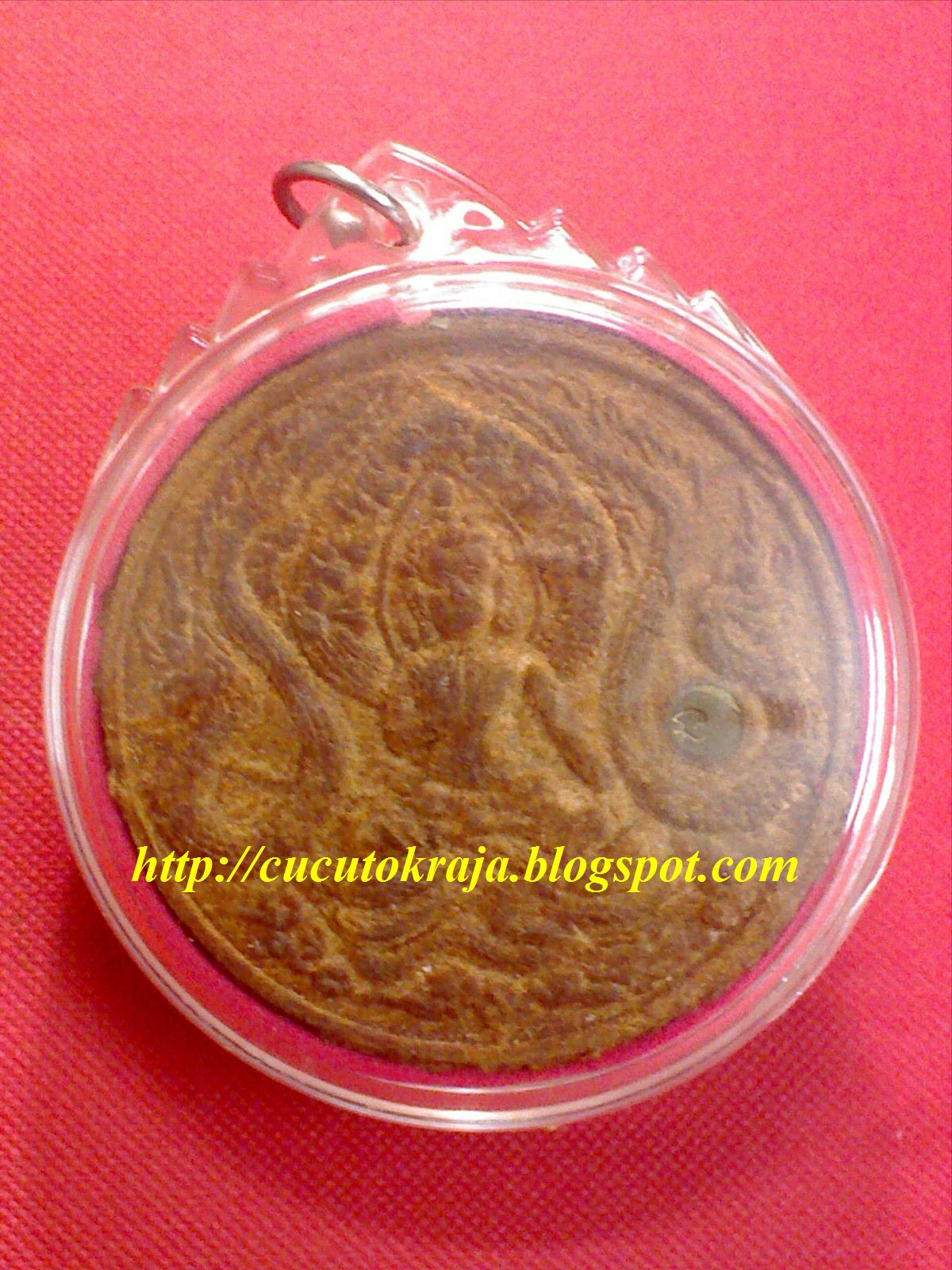

Déjà
vu ! , the same
scenarios are likely to be happened. Amulets
die hard nowadays getting crazy of collecting TONGKAT @ MAI THAW @ MAI KRU
! As I mentioned earlier, some of the
wat / temple has no choice but FORCED to come out with their own version of
tongkat. They will gain the basis knowledge of making tongkat, although some
are not really QUALIFIED to produce the sacred tongkat but because of DOLLARS n
CENTS, by hook or by crook they will make it done anyway.
Taking Kelantan Siamese Temple / Wat for
examples, most of the wat came out with their own style / design of tongkat.
The tongkat were made based on the knowledge that had been passed down from the
great guru, some are inherited from Phor Than Kong’s disciples ( phor mor and
achan ), some obtained the secrets of making tongkat from an old manuscripts,
while most of the tongkat creator gained the tongkat infos from the wichah book
– 108 Yant Pitsadarn. Frankly, most of the newly made tongkat were created
based on the little knowledge of what they knew / learnt about the tongkat. Me either, naïve !


108 Yant Pitsardarn Manual


Phor Mor Keaw's Wichah Manuals
The truth………..most of the tongkat creators are
actually novice monks or even just a wat committee. They will make ( prepare
the materials and personally copied / inscribed khata akhom and inserted inside the tongkat and then
hand it over to the senior / chief monks to be plugsaeg. Bear in mind that,
there are certain / specific ways /
rules ( crucial yet compulsory ) to be followed before / while inscribing the
khata akhom. The tool to be used for instances, there are DO’S and DON’TS to be
chose and followed, certain days and
months to be avoided, certain times, days and months to be chose,
incantations to be recited while
inscribing, so on and so forth. ( to be discussed in depth soon )
Back to the discussion, some of the tongkat
creator, kinda confused on the real
meaning of TONGKAT. They tend to misinterpret
and therefore come out with their own version of tongkat
interpretation. The tongkat is produced
just for sake of DOING IT ! As for them,
TONGKAT is none other than ………………….
“ SELECTED
HOLLOW WOOD, WHICH HAD BEEN INSERTED WITH A ROLLED TAKRUT “
As for them, any rolled takrut that inserted
inside the hollow wood or pen can be called as tongkat. Meaning to say that, the hollow wood or pen
is just a tool / medium or as a CASING for those rolled takrut and then named /
called it as SACRED TONGKAT !
Bros and sis, stop and think and rethink. Is this the correct way of producing the SACRED TONGKAT ? Are they following the right methods of making sacred tongkat ? Do our beloved Phor Than Kong had ever finished his tongkat by using the same way ?
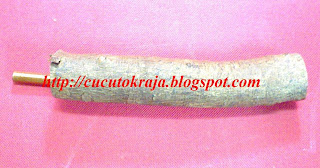
Bros and sis, stop and think and rethink. Is this the correct way of producing the SACRED TONGKAT ? Are they following the right methods of making sacred tongkat ? Do our beloved Phor Than Kong had ever finished his tongkat by using the same way ?

hollow wood inserted with a rolled takrut.


used pen inserted with a rolled takrut.
Below are some of the rolled takrut
yants that have been inserted inside the hollow wood / pen to produce what they called
it as TONGKAT / MAI THAW / MAI KRU.
a.
Yant
Nakh Roi Petd
b.
Yant
Tong Chei Phra Isuan
c.
Yant
Nak Nak Thong
d.
Yant
Uk Nak Lorm
e.
Yant
Gao Yord
f.
Yant
Petd Thidt
g.
Yant
See Yord
h.
Yant
Itipikso Thoi Lang
i.
Yant
Phut Tharsorn
j.
Yant
Nak Mor Phut Thak Yakh
k.
Yant
Nak Makh Phak Thak
l.
Yant
Hua Jai Phra Khun Paen
m.
Yant
Po Kha Sap
n.
etc
Sample of rolled and supportive yants


Meaning to say that, the hollow wood that used
to STORE those rolled takrut is UNNECESSARY and
it makes no different whether with or without the wood as its medium /
casing. Meaning to say that, you can
create / make your own "TONGKAT" by just inserted the rolled takrut inside any
hollow wood or perhaps inserted it inside your used pen. Then you can call /
name it as TONGKAT. Wow, such an easy work right ?
To make it more interesting yet convincing, the maker
claimed that they’re using such a rare and sacred wood as as black woods (
Kemuning Hitam, Penawar Hitam ), red wood ( raja kayu, damar minyak ), Jangrakh
wood , wood taken from Usombot, so on and so forth. In addition, some of the tongkat were inscribed / punched / crafted with various type of yants / khata khom on it. Some of the yants / khata akhoms are the normally used in the takrut and phar yant making yants.


About those yants / khata akhoms; it's about YES n NO answer. YES for the certain yants that been used in tongkat making and NO for most of the yants, because Phor Than Kong didn't used any while finishing his version of ongkat. YES, for certain yants because some of the yants are used as a main and supportive yants. For instances, Yant Phutsorn, Yant Ong Phra, Yant Phra Chao Ha Phra Ong, Yant Kratu Chet Grabarth and Yant Nak Phra Nak Thong are widely used in various yants design, including for certain tongkat making, BUT THOSE YANTS are JUST the SUPPORTIVE YANTS and THOSE YANTS cannot STAND ALONE as a MAIN TONGKAT YANTS ! ( sample of supportive yants / khata akhom to be discussed in depth soon )
It’s hard to believe but that’s the fact and what had happened nowadays. Many of us are cheated with this naïve type of tongkat creation. The sacred TONGKAT that we are renting is none other than a piece of decorative wood with an ordinary rolled takrut. Am I knocking your head or perhaps scratching your back ? Feel cheated ? Well…….. do believe me, it’s true !


About those yants / khata akhoms; it's about YES n NO answer. YES for the certain yants that been used in tongkat making and NO for most of the yants, because Phor Than Kong didn't used any while finishing his version of ongkat. YES, for certain yants because some of the yants are used as a main and supportive yants. For instances, Yant Phutsorn, Yant Ong Phra, Yant Phra Chao Ha Phra Ong, Yant Kratu Chet Grabarth and Yant Nak Phra Nak Thong are widely used in various yants design, including for certain tongkat making, BUT THOSE YANTS are JUST the SUPPORTIVE YANTS and THOSE YANTS cannot STAND ALONE as a MAIN TONGKAT YANTS ! ( sample of supportive yants / khata akhom to be discussed in depth soon )
It’s hard to believe but that’s the fact and what had happened nowadays. Many of us are cheated with this naïve type of tongkat creation. The sacred TONGKAT that we are renting is none other than a piece of decorative wood with an ordinary rolled takrut. Am I knocking your head or perhaps scratching your back ? Feel cheated ? Well…….. do believe me, it’s true !
TONGKAT, the real tongkat from Phor Than Kong’s
lineage is beyond than that. It’s not a decorative wood with an ordinary takrut
inserted. Phor Than Kong’s tongkat secrets lain within the tongkat, especially
the secret materials and the specific yants / khom / khatas used.
As mentioned in my earlier post. The basic materials used are …….
As mentioned in my earlier post. The basic materials used are …….
Special / specific khata akhom for tongkat.
The yant / khom inscribed differ from one to another ( specific types of tongkat's yant / khata akhom to be discussed in depth soon )
– depend on the purposes. Differ khatas akhom were used differently for phor
mor’s tongkat and laymen’s tongkat. The
yants was inscribed onto a piece of copper and black lead plate. Sometimes, our Phor Than Kong used to inscribe the yant onto a piece of folded Kradat Namman ( kertas
minyak or a kind of tracing paper ),
Kradat Wau ( kertas wau), Kradat
Chet Si ( 7 colours paper )and even onto an aluminium foil. Chau Kuan @ Long
Kuan for example, still using this thin aluminium foil when inscribing yant to
make Maithaw Pakka – Pen Tongkat.


Mai Thaw Mai Janakh by Chau Khun Chan

Mai Thaw Mai Janrakh by Chau Kuan
Talking about takrut's plate ( normally lead or brass / copper foil ), those days ur late Than Lek of Wat Ariyakiri
only uses the empty tooth paste tube ( those days most of the tooth paste tube are
made of lead / pure tin ). The tooth paste then will be dissected inner out to get the
inner side of the tube. Other than this, Than Lek used to use the foil from the
can - Milo, cigarette tin, Susu Cap Junjung’s can as jants medium. ( to be discussed
in depth soon )


sample of vintage tooth paste tube

vintage 555 cigarettes and "susu cap junjung" tin / can

an old Milo tin
Back to the discussion....... Present period guru monk that used to produce a
good and authentic tongkat is our late Than Dam from Wat Mai Naparram. Than Dam for example, used the
differs khata akhom and materials for differs tongkat. Some of his tongkat does
not required any khata akhom / inscribed khata plate. The features of the tongkat just
inserted with 108 Wanj, colour clothes and rattan from Fan Look Mit’s ceremony and
relics perhaps.


photo showing the 7 colours of clothe and rattan tied to the look mit
Even Phor Than Thit – Wat Machimaram, Jubakar
Tumpat uses differs khata akhom for his differs tongkat ( make sure u get it
directly from Than Thit, not from the amulets shelf please ! ). His first tongkat,
made of Janrakh tree, jant inscribed onto kradat namman, with gold, bronze, and silver needles
and a piece of buluh tumpat as its medium. Superb !
Needles
Those days, before Phor Than Kong uses SamKaSat
needles ( gold, silver and brass ). Phor Than Kong used to use 3 and 5 ordinary
blessed needles ( needles used in Fan Look Mit ceremony ) and tied together with 3, 5 or 7 colour threads
as one of the tongkat materials. The needles were blessed with specific khata
akhom before inserted into the tongkat.
Why needles ?
( to be discussed in depth soon. Ha ha ha ...... times constraint ! )
( to be discussed in depth soon. Ha ha ha ...... times constraint ! )
Bear in mind that, some of Phor Than Kong’s
tongkat does not has ( require ) any needle inserted, as I said before. All depends on the purposes of the tongkat
creation.

Fan Look Mit’s photo
Rare and sacred materials
i. ivory tusk
Path Nar Thang / Lek Lai / Lek Nam Phee fragments
i. ivory tusk
ii. selected porcupine's spike
iii. tiger's forehead skin / fur
iv. lightning's stone
v. 108 wanj
vi. broken amulet's fragment
vii. monk's robe
viii. monk's hair
ix. phra dhat - monk's relic
x. left over rice from the arm bowl
x. left over rice from the arm bowl
xi. etc
Path Nar Thang / Lek Lai / Lek Nam Phee fragments
Inserted into both parts ( head and bottom ) of
the tongkat. Chau Khun Chan for example, inserted this path nar thang in almost
all if his tongkats and even in his pen tongkat. But again, bear in mind that, some of Phor Than Kong’s
and Chau Khun Chan’s tongkat does not require any pith / path nar thang. Why ?
…….
“ Differ tongkat, differ materials, differ method with differ
khata akhoms, for differ purposes. “
As I mentioned earlier in my older posts “
Tongkat oh Tongkat “ and “ Secrets of The Tongkat Finally Revealed”. You must
be more sensitive and selective while choosing the tongkat.
Déjà
vu, Déjà vu, Déjà vu, Déjà
vu !
Do ask, ask, ask and ask before renting any, otherwise you will loose your 'blood & sweat money' to a specially designed and crafted DECORATIVE WOOD !
Merely Sharing of Thought !
sabbe satta sukhita hontuk !
sadhu ! sadhu !
wie.sukhihotu11 !


